Tag: EMS.gov

Recent Announcements and New Resources on EMS.gov

From EMS.gov on January 24, 2024

EMS News

Recent Announcements

TODAY: Rural Emergency Medical Service (EMS) Training Grant Pre-Application Webinar

The Substance Abuse and Mental Health Services Administration (SAMHSA) is hosting a webinar scheduled for Wednesday, January 24, 2024 at 4:00 PM ET, discussing the application process for the Rural Emergency Medical Service Training Grant program. The purpose of this funding opportunity is to recruit and train EMS personnel in rural areas with a particular focus on addressing substance use disorders (SUD) and co-occurring disorders (COD) substance use and mental disorders.

Registration is not required for participation and a recording will be made available on the SAMHSA.gov.

Access Webinar Information Here


Volpe Center SBIR Program

The U.S. Department of Transportation (DOT) Volpe Center has announced the Small Business Innovation Research (SBIR) Program FY24.1 research topics and Phase I Pre-Solicitation. The pre-solicitation period for feedback ends February 6.

Review SBIR Pre-Solicitation Notice

New Resources Available on EMS.gov

Model Minimum Uniform Crash Criteria – 6th Edition

Visit EMS.gov to review the 6th edition of the Model Minimum Uniform Crash Criteria (MMUCC) recently released by NHTSA. This voluntary guideline represents a minimum, standardized set of data variables to describe motor vehicle traffic crashes in an effort to identify traffic safety problems and design countermeasures to improve driver and roadway safety. The January 2024 MMUCC guideline features the NEMSIS Universal Unique Identifier and many critical data elements specific to emergency vehicle crashes, providing more information on the people involved in these crashes as well as secondary and move-over crash data.

View Publication


New NIOSH Safety and Health Advisory

The latest NIOSH Safety and Health Advisory educates fire service professionals on the importance of quickly removing an unresponsive firefighter from turnout gear and self-contained breathing apparatus as well as available training techniques. NIOSH co-authored this resource with the leading national experts from the American Red Cross, Butler County Community College Public Safety Training Facility and the Firefighter Down-CPR creators (Christopher Watford and Mike Herbert).

View Advisory


Airway Management EBG Article

Airway management is the foundation of EMS care. The newly published Evidence Based Guideline (EBG) for prehospital airway management is based on the systematic review by the Agency for Healthcare Research and Quality (AHRQ) and includes recommendations on the different PICO (population, intervention, comparison, outcome) questions and good practice statements that summarize and operationalize these recommendations, offering EMS agencies and clinicians an opportunity to review and update their airway management strategies.

View New EBG


NEMSQA-Led Lights and Siren Collaborative Improves EMS Safety with Comprehensive Change Package

The National EMS Quality Alliance (NEMSQA) has released Improving Safety in EMS: Reducing the Use of Lights and Sirena change package detailing the results, lessons learned and change strategies developed during the Lights and Siren Collaborative project. This newly released report is designed to improve EMS safety by making improvements to the use of lights and sirens.

View Report

Sign up to receive the latest news from the Office of EMS, including webinars, newsletters and industry updates.

Contact Us

1200 New Jersey Avenue, SE
Washington, DC 20590
nhtsa.ems@dot.gov

EMS.gov | National Engagement Open Now for NERIS Draft Data Framework

The US Fire Administration (USFA) and Fire Safety Research Institute (FSRI) have announced the commencement of a national engagement period for the National Emergency Response Information System (NERIS) Draft Data Framework. This period will end on January 19, 2024.

The EMS community is invited to offer feedback on the Draft Core NERIS Data Framework, which includes essential data schemas crucial for NERIS operations, designed to provide the EMS and fire community with the necessary data and tools for improved decision-making and enhanced incident preparedness. These schemas include:

  • Incident Data schema, ensuring detailed and accurate recording of incident specifics for effective response and analysis
  • Computer-Aided Dispatch (CAD) schema, designed for capturing incident timing, location, and initial types
  • Fire Department Specification schema, characterizing fire department capabilities and community coverage

Access the Draft NERIS Data Framework and submit feedback by January 19, 2024. To submit feedback, access the feedback submission form below after reviewing the Framework.

Submit Feedback

For accessibility requests or further assistance, please contact NERIS@ul.org.

EMS.gov | Input Requested: EMS Education Agenda 2050

EMS News

Input Requested: EMS Education Agenda 2050

NHTSA plans community-lead revision of 1996 Education Agenda, tackling education to clinicians

The National Highway Traffic Safety Administration (NHTSA) is seeking public comment regarding the upcoming revision of the 2000 EMS Education Agenda for the Future: A Systems Approach. This new effort will apply the concepts of the EMS Agenda 2050 to EMS Education and the profession’s standing in the U.S. The output of this community effort will be EMS Education Agenda 2050, setting the path for the development of “EMS clinicians of the future” as identified in the EMS Agenda 2050.

Responses from the EMS community to specific questions provided are essential to create a successful framework for this revision.

Provide Comments

NHTSA encourages insights from a diverse range of sources, including but not limited to the public, private sectors, government agencies, academia, and other stakeholders. The primary focus of this initiative is to gauge the progression of the integrated national education system for EMS personnel over the decades. Input from the EMS community is crucial to this endeavor.

Comments may be submitted here through March 31, 2024. For further information, contact Clary Mole, EMS Specialist at the National Highway Traffic Safety Administration, at Clary.Mole@dot.gov.

Sign up to receive the latest news from the Office of EMS, including webinars, newsletters and industry updates.

Contact Us

1200 New Jersey Avenue, SE
Washington, DC 20590
nhtsa.ems@dot.gov

NHTSA | Updated Ground Ambulance Crash Safety Materials Available

EMS News

Updated Ground Ambulance Crash Safety Materials Available

Comprehensive Analysis and Safety Recommendations for Ambulance Crashes

Ground ambulance crashes remain one of the leading causes of death on the job among EMS personnel. NHTSA Office of EMS and NEMSIS have released updated resources demonstrating the significant impact of proper restraint use for both patients and clinicians on the outcome of ambulance crashes.

These new materials, now available on ems.gov, provide an in-depth look at the latest data and recommendations to improve ground ambulance safety. Expanding on the initial 2011 study, this report examines NCSA crash data over a seven-year period and information gathered from investigations of fatal ambulance crashes.

Significantly, the data underscores a prevalent underutilization of proper restraint mechanisms in ambulance crash incidents. These findings offer observations that agencies can incorporate into training and protocol development. By leveraging these resources, organizations have the potential to establish more robust safety standards, directly benefiting both clinicians and patients.

New Resources Available:

Analysis of Ground Ambulance Crash Data from 2012-2018: Delivers updated data and trends in ground ambulance-involved crashes

Ground Ambulance Crashes Presentation: 2012-2018 Data: Provides a visual overview of recent data and key safety recommendations

Ground Ambulance Infographic: 2012-2018 Data: Offers a concise, graphical summary of safety statistics


View Safety Resources

Sign up to receive the latest news from the Office of EMS, including webinars, newsletters and industry updates.

NEMSAC | Meeting August 9-10


EMS News

Register Now: National EMS Advisory Council Meeting August 9-10

The National EMS Advisory Council (NEMSAC) will host a hybrid meeting on Wednesday, August 9, 2023, at 1:00 pm ET, and Thursday, August 10, 2023, at 12:00 pm ET. The meeting will highlight EMS program updates, share new initiatives and innovations and provide an opportunity for facilitated discussion and public comment. Members of the public are encouraged to attend the meeting virtually.

Location:
Yours Truly Hotel DC
1143 New Hampshire Ave NW,
Washington, DC 20037
Virtual webcast available

Register Now

Items on the agenda include:

  • Updates from OEMS and FICEMS Chairperson
  • NRSS and Post-Crash Care update
  • Subcommittee reports on advisories in progress, including:
    • Adaptability and innovation
    • Equitable patient care
    • Preparedness and education
    • Professional safety
    • Sustainability and efficiency
    • Integration and technology
    • Ambulance crashes
  • Guest Presentations
    • Day 1: Prehospital Blood Transfusion Initiative with Jon Krohmer, MD
    • Day 2: Medical Countermeasures for First Responders with Judith Laney, PhD

Registrants who wish to address the Council during the public comment periods can submit comments in writing to NHTSA.NEMSAC@dot.gov by August 5, 2023. Questions and comments for the Council may also be presented using the live chat feature.

About NEMSAC

NEMSAC meets several times a year to discuss concerns facing the EMS community. Members of NEMSAC provide counsel and recommendations regarding EMS to the Federal Interagency Committee on EMS (FICEMS) and the Secretary of the Department of Transportation (DOT) through the National Highway Traffic Safety Administration (NHTSA).

NHTSA is committed to providing equal access to this meeting for all program participants. Persons with disabilities in need of accommodation should send their request to Clary Mole by phone at (202) 868-3275 or by email to Clary.Mole@dot.gov no later than July 27, 2023. A sign language interpreter and closed captioning services can be provided through the Zoom meeting platform upon request.

Sign up to receive the latest news from the Office of EMS, including webinars, newsletters and industry updates.

Contact Us

1200 New Jersey Avenue, SE
Washington, DC 20590
nhtsa.ems@dot.gov


NCSL EMS Legislative Database

EMS News

National Database of EMS Legislation Now Available

Up-to-date, real-time information about state-enacted EMS legislation at NCSL.org

The National Highway Traffic Safety Administration (NHTSA) and the National Conference of State Legislatures (NCSL) have worked together to create an online resource called the EMS Legislative Database, which provides up-to-date, real-time information about enacted EMS legislation in all 50 states, the District of Columbia and U.S. territories.

The EMS Legislative Database offers a summary of key enacted EMS legislation in an easy-to-use resource allowing you to search legislation by year, state, topic, keyword, status or primary sponsor. New legislation is added weekly.

Visit Database

Searchable topics include:

  • Administration: EMS as an Essential Service, Quality Assurance and State EMS Office
  • Funding: Changes in Funding Structure, Fees, Service fees and Surcharges
  • Rules: Aeromedical Services, EMSC Activities, Good Samaritan Laws and Progress/Impacts to NEMSIS
  • Systems: STEMI, Stroke and Trauma
  • Workforce: Classification of EMS and 911 Providers, Interstate Compacts and Licensure of EMS Professionals

In 2022, at least 39 states and territories enacted 113 bills to address various challenges in the EMS community, including the supply of EMS clinicians, limited funding, violence against EMS clinicians, long ambulance offload times and supply chain delays.

For more information about the EMS Legislative Database, 2022 Legislation updates or the State EMS Bill Tracking Database visit www.ncsl.org or contact Annie Kitch with NCSL at annie.kitch@ncsl.org and Kate Elkins with the NHTSA Office of EMS at katherine.elkins@dot.gov.

Sign up to receive the latest news from the Office of EMS, including webinars, newsletters and industry updates.

Contact Us

1200 New Jersey Avenue, SE
Washington, DC 20590
nhtsa.ems@dot.gov

NEMSIS 2021 Public Dataset Now Available for Research

EMS News

Data from Nearly 49 Million EMS Activations in 2021 Now Available for Research

Additionally, National EMS Database reaches important milestone as 50 states, D.C. and 3 U.S. territories are now submitting patient care data

The National Emergency Medical Services Information System Technical Assistance Center (NEMSIS TAC) announced the release of the 2021 Public-Release Research Dataset, the largest publicly available data of emergency medical services (EMS) activations in the U.S.

The dataset includes information from patient care reports from nearly 49 million EMS activations submitted by almost 14,000 EMS agencies serving communities across the country. Collected at the local level by individual EMS clinicians responding to calls and caring for patients, this data provides EMS agencies, states and the nation with critical insights for quality improvement, resource deployment, public health surveillance and more.

Since the NEMSIS data standard and National EMS Database were created with support from the NHTSA Office of EMS, researchers have used the data to study numerous important clinical and operational issues. This year alone, National EMS data has been used in articles addressing airway management, socioeconomic disparities, cardiac arrest, stroke and overdoses, just to name a few.

To learn more about the NEMSIS 2021 Public-Release Research Dataset, including how to request a copy of the dataset for research, visit nemsis.org, where you’ll find access to tutorials as well as online and pdf forms to request the data.

Learn More About the Dataset

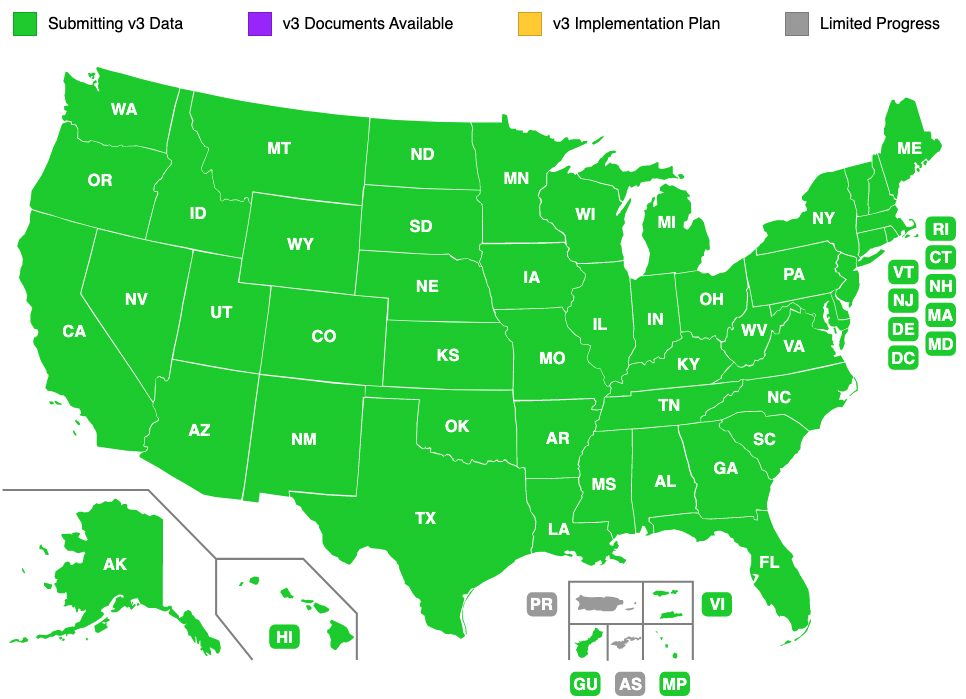
NHTSA and the NEMSIS Technical Assistance Center also recently celebrated the addition of Delaware to the list of states and territories submitting EMS data to the National EMS Database–meaning information from EMS activations in all 50 states, the District of Columbia and three additional U.S. territories are now being collected. This means an even more robust, complete picture of EMS across the country will be available to policymakers and researchers in the future.

New Dataset Image

Sign up to receive the latest news from the Office of EMS, including webinars, newsletters and industry updates.

Contact Us

1200 New Jersey Avenue, SE
Washington, DC 20590
nhtsa.ems@dot.gov

EMS.Gov | Know the Signs of Monkeypox

EMS News

Recognize Monkeypox
In Prehospital Settings

EMS and healthcare clinicians should know the signs of Monkeypox

The National Emerging Special Pathogens Training and Education Center (NETEC) is providing updates about the recently evolving situation regarding the spread of Monkeypox, a rare but potentially serious viral disease. Monkeypox has emerged in countries in which it is not normally found, including the United States. To ensure early detection and isolation of the infected, EMS/prehospital and hospital clinicians should be on alert for signs of the disease.

Monkeypox can spread between humans via contact with skin lesions and infected respiratory droplets. It is important to recognize and report cases of the disease to the local public health department for surveillance purposes.

Visit the link above or review these EMS strategies for preventing the spread of monkeypox:

If you suspect a case of Monkeypox, contact your state health department for possible initiation of special pathogen transport protocols.

More Information

Sign up to receive the latest news from the Office of EMS, including webinars, newsletters and industry updates.

Contact Us

1200 New Jersey Avenue, SE
Washington, DC 20590
nhtsa.ems@dot.gov

NEMSAC | Webcast May 11-12

The National EMS Advisory Council (NEMSAC) will host a virtual meeting on Wednesday and Thursday, May 11-12, 2022. Members of the public can register for the webcast here.

The NEMSAC meets several times each year to discuss issues facing the EMS community. Members of NEMSAC provide counsel and recommendations regarding EMS to the National Highway Traffic Safety Administration (NHTSA) in the Department of Transportation (DOT) and the Federal Interagency Committee on EMS (FICEMS).

Daily agendas include time for NEMSAC subcommittee deliberations in the morning and the publicly webcasted portion of the meetings begin at 1:00 pm ET, Wednesday, May 11, 2022, and 12:00 pm ET on Thursday, May 12, 2022. Items on the agenda include:

  • Updates from Federal Emergency Services Liaisons
  • Discussion about FICEMS & NHTSA Initiatives
  • Subcommittee Reports
  • Public comment

Individuals registered for the meeting who wish to address the council during the public comment periods can review the current draft and interim advisories and submit comments in writing to NHTSA.NEMSAC@dot.gov by 5:00 pm ET on May 3, 2022.

Draft advisories:

Interim advisory:

This meeting will be open to the public. NHTSA is committed to providing equal access to this meeting for all program participants. Persons with disabilities in need of accommodation should send their request to Clary Mole by phone at (202) 868-3275 or by email at Clary.Mole@dot.gov no later than May 3, 2022. A sign language interpreter will be provided and closed captioning services will be provided for this meeting through the WebEx virtual meeting platform.

Register Now

Notice of Public Meeting: This notice announces a meeting of the National Emergency Medical Services Advisory Council (NEMSAC).

www.federalregister.gov

National EMS Advisory Council Meeting Webcast Feb. 9-10

From EMS.gov on January 27, 2022

Register Now for the National EMS Advisory Council Meeting Webcast Feb. 9-10

The National EMS Advisory Council will be holding a virtual meeting on Wednesday and Thursday, February 9-10. Members of the public can register for the webcast here.

NEMSAC meets several times each year to discuss issues facing the EMS community and provide advice and recommendations regarding EMS to the National Highway Traffic Safety Administration in the Department of Transportation and to the Federal Interagency Committee on EMS.

The agenda for each day includes time for NEMSAC subcommittee deliberations in the morning, with the webcast council meeting convening at 12:00 pm ET on Wednesday, February 9, 2022, and 1 pm ET on Thursday, February 10, 2022. Items on the council’s agenda include:

– FICEMS COVID-19 Response

– National Suicide Hotline Update

– Reviewing the Need for EMS and Obstetric Collaboration

– Rural, Tribal and Frontier EMS Challenges

– Improving Stroke Triage and Transport Protocols for EMS

– Public Comment

Individuals registered for the meeting interested in addressing the council during the public comment periods must submit their comments in writing to Clary Mole at clary.mole@dot.gov by 5pm ET on February, 3, 2022.

This meeting will be open to the public. NHTSA is committed to provide equal access to this meeting for all program participants.  Persons with disabilities in need of an accommodation should send your request to Clary Mole by phone at (202) 868-3275 or by email at Clary.Mole@DOT.gov no later than February 3, 2022. A sign language interpreter will be provided, and closed captioning services will be provided for this meeting through the WebEx virtual meeting platform.

NHTSA Office of EMS Annual Update

The NHTSA Office of EMS continues to work with our partners to advance EMS systems and support EMS clinicians serving on the front lines. Together, we are striving to achieve the vision of a people-centered EMS system put forth in EMS Agenda 2050.

Thank you to all who have helped make great strides in 2021, even in the face of some of the greatest challenges we’ve ever faced as a profession—and a country. This year’s NHTSA Office of EMS Annual Update highlights some of the work happening at the national level, including:

  • Newly revised National EMS Education Standards
  • Evidence-based guidelines to support safe and effective patient care
  • Advances in EMS data collection and analysis
  • The COVID-19 response

Click here to read our summary of 2021 accomplishments and review the status of ongoing projects. Most important, look for ways that you can get involved in national efforts to improve EMS and create a better future for our profession, our patients and our communities.

Read the 2021 Annual Report

EMS.gov | EMS Medical Director Survey

EMS and 911 Physician Medical Directors Invited to Participate in Workforce Assessment Survey

National Association of EMS Physicians conducting a national, anonymous survey of EMS, 911, fire and law enforcement medical directors

The National Association of EMS Physicians (NAEMSP) is conducting the first national EMS Physician Medical Directors Workforce Assessment in the United States. All physician medical directors for EMS and air medical services, 911/Emergency Medical Dispatch centers, fire services, and law enforcement departments are encouraged to complete this anonymous survey to help create a comprehensive picture of pre-hospital physician medical leadership. The survey will take approximately 10 minutes to complete and will close on October 4, 2021.

Take the survey 

The results, which will be shared by NAEMSP, will help national, state and local EMS and 911 organizations identify physician employment trends, address training and professional needs, and inform policy and advocacy efforts in support of all prehospital medical directors.

“Thousands of physician EMS Medical Directors currently provide EMS system oversight to ensure high-quality, safe and effective patient care across the country,” says NAEMSP President Michael Levy, MD, FAEMS, FACEP, FACP. “It’s important that we get an accurate picture of physician medical directors’ professional needs so we can do our best to address them.”

“The role of the medical director is key in ensuring effective pre-hospital patient care,” says Jon Krohmer, MD, FACEP, FAEMS, director of the NHTSA Office of EMS. “More data about the many aspects of medical direction will help NAEMSP, the NHTSA Office of EMS, and our Federal partner agencies better engage with the physicians who guide first responder and EMS clinician patient interactions by ground, air medical, law enforcement, and 911 professionals.”

EMS.gov | Template Protocol for EMS Administration of Monoclonal Antibodies

From EMS.gov on August 27, 2021

Developed by the NHTSA Office of EMS and HHS Office of the Assistant Secretary for Preparedness and Response, the template is intended to assist state EMS officials and local EMS systems in developing their own protocols 
he U.S. Food and Drug Administration has issued an Emergency Use Authorization to permit the emergency use of REGEN-COV (casirivimab and imdevimab) co-formulated product, and REGEN-COV (casirivimab and imdevimab) supplied as individual vials to be administered together, for the treatment of mild to moderate COVID-19 in adult and pediatric patients (12 years of age and older weighing at least 40 kg) with positive results of direct SARS-CoV-2 viral testing, and who are at high risk for progression to severe COVID-19, including hospitalization or death. Monoclonal antibodies are used to neutralize the COVID-19 virus and intended to prevent progression of disease. The U.S. Government is currently supplying REGEN-COV (casirivimab and imdevimab) for the treatment and post-exposure prophylaxis of COVID-19. The dosing is the same for both indications (casirivimab 600mg and imdevimab 600mg). The medication can be administered either intravenously (IV) or by subcutaneous (SQ) injection.EMS agencies throughout the country have been asked or may be asked to assist in the administration of this product through either route of administration.

To assist EMS agencies in planning, the NHTSA Office of EMS and HHS Office of the Assistant Secretary for Preparedness and Response have developed a template protocol for state EMS offices and EMS Medical Directors to use to assist in these programs. Some states have created blanket state-level authorizations for EMS administration; some states will still require provider authorization prior to administration. Please follow local protocols and regulations. This template is only designed to facilitate the development of those local protocols as needed. Please contact the NHTSA Office of EMS with any questions.

EMS.gov | Information About COVID-19 for EMS Systems and Clinicians

From EMS.gov

Resources include guidance documents, links to the latest from the CDC, and information about vaccine safety and administration

With cases of COVID-19 surging again across the country, EMS clinicians and leaders may once again be responding to increased numbers of PUIs, have questions about handling exposures, and be looking for information about coronavirus vaccines.

The EMS.gov COVID-19 Resources for EMS page continues to provide a number of helpful tools, on topics ranging from crisis standards of care to first responder mental health. The source of each resource is clearly identified, including documents created by the Federal Healthcare Resilience Working Group EMS/Prehospital Team.

The NHTSA Office of EMS once again would like to thank EMS clinicians and our public safety and healthcare colleagues across the country for your dedicated service. What you do is vital to our communities and our nation. We urge you to take steps to ensure the health and safety of you, your patients and your families and protect yourself from COVID-19, stress, and other dangers.

Please contact nhtsa.ems@dot.gov with questions or comments.

Monkeypox & COVID-19 Resources for EMS Clinicians

From EMS.Gov

Monkeypox Resources for EMS Clinicians

The arrival of an individual in the United States who was diagnosed with monkeypox, as well as the uptick in COVID-19 cases, are reminders that EMS clinicians must remain vigilant and prepared. The CDC is conducting contact tracing of the monkeypox case and local public health departments have been notified, and it is unlikely that EMS clinicians will be exposed to the monkeypox virus is low. However, reviewing information about the disease may still be helpful.

Click here to access information compiled by the National Emerging Special Pathogen Training and Education Center to help inform EMS clinicians about monkeypox.

COVID-19 Resources for EMS

Low vaccination rates, the highly contagious delta variant, and increased social interaction has caused significant increases in rates of COVID-19 and related hospitalizations in many communities around the nation. The NHTSA Office of EMS continues to make resources available to help EMS clinicians, organizations and regulators safely maintain operations during the pandemic. Those resources are available on the EMS.gov COVID-19 Resources Page.

NHTSA | Office of EMS Director Jon Krohmer, MD, to Retire

NHTSA Office of EMS Director Jon Krohmer, MD, to Retire Later this Year

After 15 years of federal service, including the last five leading the National Highway Traffic Safety Administration Office of EMS, Jon Krohmer, MD, will be retiring in November.

During his tenure as director, Dr. Krohmer and the NHTSA Office of EMS team oversaw a number of milestones for the profession, including the creation of EMS Agenda 2050; major revisions to the National EMS Scope of Practice Model and the National EMS Education Standards; and improvements in the collection and use of EMS data through the expansion of the National EMS Information System. Soon after the onset of the coronavirus pandemic, Dr. Krohmer was tapped to lead the prehospital/911 team as part of the Federal Healthcare Resilience Task Force.

“Dr. Krohmer’s tenure at NHTSA—especially over the last year and a half as EMS clinicians have faced one of the greatest public health challenges in generations—has been marked by real advances for the profession, thanks in no small part to his leadership,” said Nanda Srinivasan, NHTSA’s associate administrator for research and program development. “He was a true advocate at the federal level for state, tribal and local EMS systems, EMS clinicians, and patients.”

Prior to joining NHTSA, Dr. Krohmer had decades of experience as a local EMS medical director, initially in his home state of Michigan. His EMS career began as an EMT with a volunteer rescue squad. Like many EMS professionals, he was inspired by the television show Emergency! and by the emergence of the relatively new field of emergency medicine. He entered medical school at the University of Michigan knowing he wanted to make EMS his career. After becoming involved in EMS at the state and national level, he also served as president of the National Association of EMS Physicians from 1998 to 2000. In 2006, he came to Washington to serve as the first deputy chief medical officer for the Department of Homeland Security Office of Health Affairs and served in several other DHS roles before joining NHTSA in 2016.

“Working alongside EMS clinicians and the people who support them at local, state and national levels has been a privilege and a heck of a lot of fun,” said Dr. Krohmer. “The decision to leave NHTSA was difficult, but it’s made easier knowing that the team in the Office of EMS, our colleagues throughout the federal government, and leaders of EMS at state and local levels are committed to improving the lives of people in their communities and will continue to advance EMS systems everywhere.”

NHTSA will launch a national search for a new director for the Office of EMS.

“The example set by Dr. Krohmer will serve as a great model for the next director,” said Associate Administrator Srinivasan, “and the team of dedicated public servants at the Office of EMS has the experience and expertise to ensure a smooth transition.”

EMS.gov | New Resources Help EMS Clinicians and Agencies Navigate HIPAA

Nationwide, EMS agencies regularly report that hospitals and other healthcare workers refuse to share patient information with them, citing Health Insurance Portability and Accountability Act (HIPAA) concerns. Misconceptions about HIPAA can create artificial barriers to the legitimate, approved exchange of data between EMS and other providers, resulting in missed opportunities to improve patient outcomes and advance evidence-based practices in prehospital care.

To address this issue, the NEMSIS Technical Assistance Center collaborated with the law firm Page, Wolfberg & Wirth to provide helpful resources explaining the sharing of patient information between EMS and other healthcare professionals:

While obstacles may remain for the appropriate sharing of patient information, HIPAA is not one of them. Sharing patient information benefits EMS agencies and improves prehospital patient care by revealing evidence-based practices that make a difference for patients in the field.

EMS.gov | Telemedicine Framework for EMS and 911

New Resource: Telemedicine Framework for EMS and 911

Communities and organizations considering EMS and 911 telemedicine programs will find design concepts and considerations, suggestions for identifying community partners, checklists and other helpful material

Although it was the COVID-19 pandemic that accelerated the adoption of telemedicine by EMS and 911 systems across the country, its use is likely only going to continue to grow. Telemedicine in EMS and 911 has many potential benefits and will be a key tool to help communities achieve the vision of a people-centered EMS system described by EMS Agenda 2050.

To help EMS and 911 organizations who are in the early stages of planning or implementing telemedicine programs, the Federal Interagency Committee on EMS brought together experts to create the Telemedicine Framework for EMS and 911 Organizations. The intent of this resource is to provide an understanding of opportunities to leverage telemedicine to deliver high-quality and cost-efficient care at the right place and the right time. The framework offers suggestions for how to engage stakeholders and policymakers and how to assess financial considerations when implementing a program. It also cites and links to a number of other resources, making it a great starting place to learn about telemedicine in EMS and 911 and find more information.

Read the Telemedicine Framework now and continue your organization’s journey to providing more effective, people-centered care.

Download

NEMSIS 2020 Public-Dataset Now Available

From NEMSIS on May 28, 2021

FOR IMMEDIATE RELEASE

NEMSIS 2020 Public-Dataset Now Available

Salt Lake City, Utah, May 11, 2021 – The National Emergency Medical Services Information System Technical
Assistance Center (NEMSIS TAC) today announced the availability of the 2020 Public-Release Research Dataset,
the largest publicly available dataset of emergency medical service activations in the United States. With this
release, NEMSIS aims to improve understanding of, confidence in, and support for EMS data collection and
analysis that will lead to data being utilized more effectively to improve patient care.

“The 2020 dataset is a powerful asset for researchers looking into all manner of conditions that affect different
aspects of EMS service.,” said Dr. N. Clay Mann, Professor in the Department of Pediatrics at the University of
Utah School of Medicine and Principal Investigator for the NEMSIS Technical Assistance Center. “Hopefully, the
information gathered during the COVID-19 pandemic will help give EMS agencies valuable insight on their work
improving EMS services under all sorts of conditions.”

The 2020 Public-Release Research Dataset is a subset of the National EMS Database that is the repository for
EMS data collected from U.S. States and Territories. NEMSIS maintains the national standard for how patient
care information resulting from an emergency 9-1-1 call for medical assistance is collected. The dataset includes
43,488,767 EMS activations submitted by 12,319 EMS agencies servicing 50 states and territories.

Those interested in requesting a copy of the 2020 Public-Release Research Dataset can contact the NEMSIS TAC
and fill out a request form at their website https://nemsis.org/using-ems-data/request-research-data. A
password-protected USB drive containing the dataset, the 2020 NEMSIS Data User Manual, NEMSIS Data
Dictionary v3.4.0, Extended Data Definitions v3.4.0, and sample SAS code file will be sent via postal service.

ABOUT NEMSIS

The National Emergency Medical Services Information System (NEMSIS) is the national health information
exchange and database used to collect and store EMS data from states and territories. NEMSIS is a universal
standard for how patient care information resulting from an emergency 9-1-1 call for medical assistance is
collected. It is a collaborative system to improve patient care through the standardization, aggregation, and
utilization of point-of-care EMS data at a local, state, and national level.
NEMSIS is a program of NHTSA’s Office of EMS and is hosted at the University of Utah.
Stay In Touch!

By signing up, you agree to the AAA Privacy Policy & Terms of Use