
Elections
The 2026 AAA Election will once again be paperless and held entirely online. Primary contacts of Active Single State and Multi-State Members are permitted by AAA’s bylaws to vote in board elections.
2026 Election Timeline
- August 3 | Nominations Open
- September 14 | Final Call for Nominations
- September 15 | Board Ratification of Slate
- September 21 | Voting Opens (Ballots will be emailed to voting member primary contacts.)
- November 6 | Voting Ends
- November 15 | Results Announced at the Stars of Life Board & Membership Meeting
Meet the Candidates
President-Elect—1 Candidate
Allyson Pharr

Chief Regulatory, Compliance and Govt’l Affairs
Acadian Ambulance
Candidate Statement
I have an overwhelming loyalty to the success of this incredible industry. Twenty-six years ago, I was an oil and gas attorney. Then, on July 28, 2001, the General Counsel of Acadian Ambulance asked me to assist him with a contracting issue. Little did I know that it would be the beginning of a career and a passion unlike anything I had ever professionally encountered. I wanted to learn about every aspect of this industry. What made it successful? What were its challenges? How could I make a difference? I dove in headfirst, and the lessons have been endless. I’ve learned perseverance, patience, and humility, but more than anything, I’ve learned that if you passionately believe in what you are fighting for, and lean in, you truly can make a difference. I also learned very early on that EMS was often the only access someone had to any kind of healthcare. I learned that our government didn’t run on common sense and therefore if you wanted something done, you had to be a voice for the voiceless. I found a calling not just a career. If I am honored to be elected to this role, I promise to dedicate my time to serving the members of the AAA to continue to drive us forward, to not allow a conversation about improving healthcare to not include EMS and to provide a pathway for patients and providers to feel seen, heard and valued.
History of Career in EMS
I began my career in EMS in July of 2001 as a legal consultant. In less than a year, I became Associate General Counsel for Acadian Companies and in 2006 began heading up the State Governmental Affairs. In 2011, I became General Counsel and was already actively working at both the state and federal levels of advocacy. In 2020, I became Chief Legal and Governmental Affairs Officer and dedicated the majority of my time to regulatory advocacy and compliance. I am a very active member of AAA, engaging with members and staff on all issues surrounding the EMS industry.
Top 3 Issues in Emergency Healthcare
- Reimbursement
-
Lack of understanding of EMS’ role in the Health Care continuum allowing us to work and be paid for top of license modalities
- Workforce
Top 3 Priorities for AAA
-
Increase reimbursement for traditional EMS services
-
Increase service lines for which EMS will be reimbursed
-
Make sure EMS has a seat at the “healthcare” tables when developing policy
Secretary—1 Candidate
Terence Ramotar

Director of Government Affairs, South Region
Global Medical Response
Candidate Statement
Having served as a Board Member, Committee Chair and on multiple committees for the past 16 years, I am now honored to seek election as Secretary of the American Ambulance Association. For more than 30 years, I have dedicated my career to Emergency Medical Services, serving in leadership roles spanning operations management, communications, reimbursement, logistics, and government affairs. Today, as Director of Government Affairs for Global Medical Response, I advocate for EMS providers and the patients we serve across the southeastern states, working closely with legislators, regulators, state associations, and industry stakeholders to advance policies that strengthen our profession.
Throughout my career, I have been a mission-focused, results-driven leader committed to performance excellence, strategic planning, stakeholder engagement, and building collaborative public-private partnerships that improve service delivery in our communities. I have had the privilege of supporting state ambulance associations across the Southeast and helping advance advocacy initiatives that protect and promote high-quality emergency medical care.
As Secretary, I will bring a commitment to transparency, accountability, and strong governance. Our member organizations are challenged with poor reimbursement, workforce struggles and an ever-changing operational environment. I will work to ensure every member’s voice is heard, prioritize our objectives, and help position the Association to meet the challenges and opportunities facing EMS in the years ahead.
History of Career in EMS
For more than 30 years, I have dedicated my career to Emergency Medical Services, building experience across clinical care, operations, executive leadership, advocacy, and industry governance. Beginning as a paramedic in New York, I progressed through leadership positions in communications, reimbursement, logistics, and operations management before serving in executive roles with Sunstar Paramedics, TransCare, American Medical Response, and a nonprofit crisis services organization. Today, as Director of Government Affairs for Global Medical Response, I work with legislators, regulators, EMS providers, and industry stakeholders throughout the Southeast to advance policies that strengthen ambulance services and improve patient care. Equally important has been my commitment to professional association leadership. For the past 16 years, I have served the American Ambulance Association as a Board Member, Committee Chair, and active committee member, while also holding leadership roles as Past President of the Florida Ambulance Association, President of the Florida Ambulance PAC, President-Elect of the Georgia Ambulance Providers Association, and Chair of the AAA State Balance Billing Committee. Throughout my career, I have remained focused on collaboration, advocacy, and advancing the EMS profession to ensure providers have the resources and support necessary to serve their communities effectively.
Top 3 Issues in Emergency Healthcare
Unfortunately, the top three issues in EMS have not had significant improvement in the past 20 years however, we continue to build an environment to appropriately address these issues and bring long-awaited relief to our industry.
-
Reimbursement – The outdated Medicare Fee Schedule must be tackled head on. The work accomplished thus far to accumulate cost data and other components can now be leveraged for meaningful change.
-
Workforce – While we may have had pockets of progress, funding opportunities and some other legislative wins, we must continue to advocate for widespread improvement
-
Operational Efficiencies – We have seen our industry advance with new models of addressing high demand for ambulance services including blood products, 9-1-1 diversion, etc however, we must continue to standardize these in a manner that covers those costs.
Top 3 Priorities for AAA
-
Reimbursement – Modernizing the Medicare fee schedule leveraging all the resources already produced.
-
Executing the Strategic Plan to bring that value to the membership
-
Continuing to build legislative relationships as the subject matter experts in all things EMS
Treasurer—1 Candidate
Tom Fennell
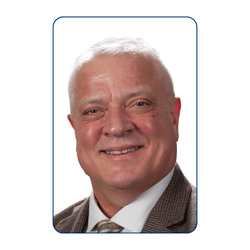
Regulatory Officer
Mayo Clinic Ambulance
Candidate Statement
I have had the privilege of being your Treasurer for the past two years. In this time, I have greatly appreciated the time and dedication of our Executive Director and staff in the area of finance, working with me to develop communication strategies, keeping all aware of current financial positions. Our Association has been able to increase staff, increase services and increase membership, all making a positive impact on our financial position.
As we have accomplished so much in the finances of our Association, I believe there is so much more to be done. We have challenges ahead of our industry and having a strong Association with a solid financial foothold is important. I have and will continue to draw from the expertise within our Association, learning where I can and using this to bolster our financial position.
I have truly appreciated the opportunity to be your Treasurer and look forward to continuing in this role and further contributing to the success of the American Ambulance Association.
History of Career in EMS
My family owned the ambulance service in my hometown. I started working for my father in this business and later continued to work for another private operator while attending school. This position transformed into a management role in an BLS service, which I held for 5 years. I worked for the state regulatory agency as an inspector/regulator for 5 years, then on to a director role in and ALS system.
When the ALS system was purchased by Mayo Clinic, my role transitioned into a corporate role, supporting all 15 ground operational bases and 3 air bases. Since that initial assignment, my role transitioned from focusing on our service to focusing on industry challenges and how our service is affected by these influences, what we can do to support our neighbors and our industry, all while assuring our abilities to care for patients remains strong.
For the past 17+ years, I have been a consultant for a private company, specializing in assisting organizations, communities and government divisions in the development of reliable, viable, sustainable and equitable EMS. This role has offered a great amount of experience in the design and operations of services across our country, in all sizes of operations.
Top 3 Issues in Emergency Healthcare
- Payor awareness and understanding of financial challenges. Services need to be compensated for the care provided and the readiness of the service to the community. Payors need to recognize this as a cost in providing this level of care to communities.
- Workforce stability. Ambulance services are challenged by limited reimbursement and this challenge affects the ability to pay Paramedics and EMTs at a level which is attracting people or maintaining experienced team members. Work with our elected officials has helped open some doors, however, long-term solutions are tied directly to more realistic reimbursement levels.
- Innovation. EMS has changed due in large part, from the actions of the providers. Without financial support for these changes, providers may be faced with limitations in what can be provided vs. what these providers believe to be the best care. Communities expect this high level of care. Without recognition by payors, services simply cannot afford to offer these innovative approaches to patient care to communities they serve.
Top 3 Priorities for AAA
- Capitalizing on the work of the National Payment Reform committee, using this to leverage elected officials and CMS to offer more appropriate levels of payment to ambulance services for care provided. This committee, comprised of representatives from most areas associated with EMS, is outlining solutions to the financial challenges. The American Ambulance Association, as one of the representatives to this committee, needs to take the lead on moving these goals into action.
- Promotion of EMS as an industry. As the lead agency for EMS in our country, the AAA is the most heavily relied upon resource for questions and inspiration in topics related to the delivery of emergency medical care to our citizens. With this as our charge, strategically using our members, board and officers, we can and will strengthen the image our industry has, educate the public, demonstrating this industry is a career choice where caring people can make differences, daily.
- Workforce recruitment, development, retention and succession planning. Efforts need to be extended in all areas to find, develop and retain qualified people to serve this industry. Securing more appropriate reimbursement levels for providing these services will assist in the ability to have a more competitive compensation profile. It is the responsibility of all to encourage new faces to become active in leadership roles, industry workgroups and being a volunteer leader with the American Ambulance Association.
Region I Director—1 Candidate
Suzanne Prentiss
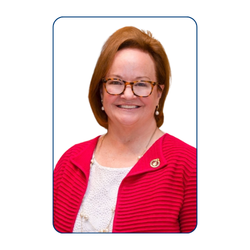
Director of Public Policy and Alliance Development
Global Medical Response
Candidate Statement
I’m running for the AAA Board of Directors representing Region 1 because I care deeply about the future of our industry and believe my experience can make a meaningful difference for AAA and the members we serve.
I’ve been an EMS professional for more than 40 years, and during that time I’ve had the opportunity to see our profession from many different perspectives. I understand where we’ve been, the challenges we’re facing today, and the importance of preparing AAA and our members for what comes next.
My work on the Ground Ambulance Patient Billing Committee (GAPBAC) has been especially important to me, giving me firsthand insight into some of the most complex financial and policy issues facing ambulance services today. Serving on the National EMS Advisory Council (NEMSAC) has given me a broader national perspective and the opportunity to work on issues that affect EMS systems and providers across the country.
I’ve also had the unique experience of serving as a state EMS director and an elected official and the local and now am a State Senator. These roles gave me an understanding of government, policy, regulation, and how we turn advocacy into policy. I believe I bring a perspective that is both broad and practical.
After more than four decades in EMS, I still care deeply about this profession and the people who make it work every day. I want to put that experience, knowledge, and the relationships I’ve built to work for AAA, our members and our patients.
I would be honored to represent Region 1, be a strong voice for our members, and help AAA build an even stronger future for our industry.
History of Career in EMS
I have spent more than 40 years in EMS, with much of my career rooted in rural communities. I have served in both career and volunteer ground ambulance roles, including as an EMS Chief for rural services in New Hampshire and Vermont and as the volunteer Chair of a regional ambulance district in Vermont.
My experience also includes 10 years as an emergency department paramedic providing paramedic intercept services, 15 years as an EMS instructor, and serving as EMS Manager for New Hampshire’s largest and busiest emergency department. I directed a rural EMS health outreach project at Dartmouth Medical School and later served as Chief of the New Hampshire State EMS Office.
From the back of an ambulance to leading EMS systems and shaping public policy, my career has given me a broad, practical understanding of the challenges facing EMS and the people and communities we serve.
Top 3 Issues in Emergency Healthcare
- Sustainable reimbursement and funding** – Ensuring payment reflects the true cost of maintaining a ready and reliable EMS system, particularly in rural and underserved communities.
- Workforce– Recruiting, retaining, and developing EMTs and paramedics while creating sustainable career opportunities and addressing the financial pressures affecting the EMS workforce.
- Modernizing the role of EMS – Moving beyond a transport-based reimbursement model and recognizing EMS as an essential part of the healthcare system, capable of delivering care, navigating patients, and improving access to healthcare.
Top 3 Priorities for AAA
- Achieving sustainable reimbursement– Continuing to lead federal advocacy for permanent, adequate Medicare reimbursement and payment models that recognize the true cost of ambulance readiness and service delivery.
- Strengthening the EMS workforce – Supporting policies and initiatives that improve recruitment, retention, education, and career development while addressing the growing workforce challenges facing ambulance providers.
- Building a stronger, unified voice for EMS – Expanding AAA’s influence by strengthening relationships with Congress, federal agencies, state associations, state legislators and other national EMS organizations. AAA must continue building alliances around shared priorities and ensure that ground ambulance providers have a strong voice as healthcare policy evolves.
Region II Director—4 Candidates
Chris Holden
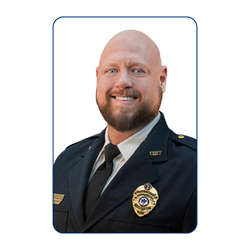
CEO
First Priority Mobile Healthcare, SCEMSA
Candidate Statement
As CEO and Founder of First Priority Mobile Healthcare, I lead the organization’s vision, mission, and core values, guiding a team of more than 220 clinicians who respond to over 78,000 calls for service annually across the Midlands of South Carolina.
With 28 years of EMS experience, I began my career in governmental 911 systems before founding First Priority Mobile Healthcare in 2012. My operational expertise, decisive leadership, and understanding of team dynamics have been instrumental in the organization’s continued growth and success.
I am recognized for building positive, people-centered cultures that elevate the employee experience and strengthen organizational performance. A passionate advocate for innovation in private EMS, I believe intentional leadership, simple actions, and forward-thinking strategies can transform workplace culture and improve the lives of frontline clinicians.
Over the past two years, I have also become increasingly involved in EMS advocacy and legislative efforts, working to advance reimbursement reform and promote sustainable funding solutions for EMS providers. My efforts reflect a broader commitment to strengthening the EMS profession and ensuring its long-term sustainability for the clinicians, organizations, and communities it serves.
History of Career in EMS
I began my EMS career while attending Carolina Medical Academy during high school. Upon graduating in 2000, I also earned an Associate Degree in EMS Management from Greenville Technical College. I then moved to Columbia, South Carolina, to attend the University of South Carolina while working full-time night shifts with Richland County EMS. In 2012, I transitioned into the private EMS sector when I founded First Priority Mobile Healthcare, where I have continued to build upon my clinical, operational, and leadership experience.
Top 3 Issues in Emergency Healthcare
The most significant challenges currently facing EMS are workforce recruitment and retention, reimbursement and financial sustainability, and the continued need to strengthen organizational culture, leadership, and the employee experience.
Top 3 Priorities for AAA
The American Ambulance Association has identified three major priorities in its 2026 advocacy agenda: protecting Medicare Ambulance Relief and working toward making it permanent, addressing the national EMS workforce shortage, and advancing meaningful payment reform to support the long-term sustainability of EMS.
Chuck Kearns

CEO
Mercy Ambulance Service/Chatham Emergency Services
Candidate Statement
I have been involved with the AAA since the early 1990s as a committee member, committee chairman and an elected director. I’m running for Region II Director because there are some daunting challenges facing the industry as well as some tremendous opportunities to capitalize upon.
I have worked in First Responder/EMS/Ambulance Services roles for a total of 45 years (43 in EMS and ambulance services), dedicating my life to our industry. I have been employed in government; private for profit; private not for profit; hospital-based and volunteer EMS agencies; in positions spanning from basic life support first responder to flight Paramedic, government affairs, finance and CEO. My experience spans working for both a large national EMS company and some smaller, single-county agencies.
As your Region II Director, I will work hard for our member organizations. We have to continue to be aggressive to improve poor reimbursement from Medicare, Medicaid and commercial insurers. Workforce struggles remain an ongoing challenge. Regulations are constantly changing and fuel prices and taxes are climbing to new record highs.
On the positive side, AAA has developed a great strategic plan, and a goal to meet and become known to every elected federal official. These relationships are giving us the opportunity to educate lawmakers on the challenges our industry faces, and getting laws proposed to help EMS.
I will work to ensure our regional member’s concerns are heard; prioritize the Association’s objectives and help position the AAA to meet the challenges and opportunities facing EMS in the years ahead.
History of Career in EMS
Conrad T. “Chuck” Kearns, MBA, Paramedic, CEMSO
I have been involved in EMS for over four decades. I began my career as a Florida, open-water lifeguard in 1981. I was certified as an EMT in 1983, and a Paramedic in 1984. I have spent much of my EMS career both as a Paramedic and the last 29 years in C-suite Management positions.
I have worked in several different EMS system models. I worked in government; private for profit; private not for profit; hospital-based and volunteer EMS agencies; in positions spanning from basic life support first responder to flight Paramedic and CEO. My experience includes working in six different states for both a large national EMS company and some smaller, single-county agencies.
I have been involved in leadership positions of many EMS industry organizations, like the American Ambulance Association; serving five terms on the Board. I volunteered on numerous committees and chaired some committees. I served as a site reviewer, standards revision project manager and Board Member for the Commission on Accreditation of Ambulance Services. I was a member of ACEP’s EMS Culture of Safety Steering Committee. I also served six years on the Board of the American Heart Association Florida-Puerto Rico Affiliate. I volunteered for 10 years with NAEMT and was elected President of the association. I also hold the Chief EMS Officer Designation.
Top 3 Issues in Emergency Healthcare
- Improving reimbursement from all payors.
- Staffing shortages that need to be addressed, to find ways to improve and stabilize the situation
- Insurance and liability: seeking ways to reduce liability from frivolous lawsuits, thereby reducing insurance costs.
Top 3 Priorities for AAA
- Permanent Medicare Reimbursement Reform to meet current and future provider/supplier’s needs.
-
Passing federal legislation that is favorable to AAA member agencies. We must continue to build AAA as the “go to” experts that legislators and the media come to for answers to their questions.
-
Executing the AAA Strategic Plan to build more value for our members.
Mike Thomas

Chief Government Affairs Officer – Director of Safety & Compliance
Jan-Care Ambulance, Inc.
Candidate Statement
Dear Region 2 colleagues and friends,
For the past five years, I’ve had the privilege of serving on the American Ambulance Association’s Board of Directors, and I’m humbly asking for your vote to continue that work.
During my tenure, AAA has delivered real wins for our profession. We secured a 23-month extension of Medicare ground ambulance add-on payments through the Consolidated Appropriations Act — protecting roughly $197 million in funding relief for services nationwide. We built a powerful, unified coalition with IAFF, IAFC, NAEMT, and the National Rural Health Association, giving EMS a stronger voice in Washington than it’s ever had. And we’ve kept the pressure on for what comes next: limiting Medicare Advantage cost-sharing burdens on patients, protecting the Rural Health Transformation Fund, and pushing treatment-in-place reimbursement so agencies get paid for the care they already deliver on scene.
None of this happened by accident. It took sustained advocacy, relationship-building with lawmakers on both sides of the aisle, and a board willing to fight for policy that reflects the true cost of running an ambulance service. I’m proud of that work, and we’re not done.
If re-elected, I’ll keep pushing for long-term payment reform based on real cost data, continued support for the EMS workforce shortage, and relief from the federal fuel tax burden that hits our margins every day. Our industry is at a pivotal moment — rural services are closing, workforce pipelines are strained, and Medicare reform is finally on the table. I want to keep representing you at that table.
I’d appreciate your vote.
History of Career in EMS
My path in EMS began in billing and coding, where I gained a foundational understanding of how reimbursement, documentation, and compliance directly impact an agency’s ability to serve its community. When a Safety/Risk position opened, I saw an opportunity to deepen my knowledge of the field from the ground up — I earned my EMT certification and worked on the ambulance to understand firsthand what our crews experience every shift, eventually stepping into the role of Director of Safety.
That operational perspective drew me into advocacy. As I saw the real-world impact of policy on frontline EMS, I became heavily involved in lobbying and advocacy at both the state and federal levels, work that ultimately led to my appointment as Chief Government Affairs Officer. I was later asked to serve as Deputy Director of Human Resources, providing backup leadership support for that department, and most recently was appointed Director of Compliance — a role that lets me bring together everything I’ve learned about safety, operations, and regulatory strategy under one roof.
Each step in this journey has given me a different vantage point on the same goal: building a stronger, safer, more sustainable EMS system.
Top 3 Issues in Emergency Healthcare
- Workforce shortage, burnout, and retention
This seemingly remains the most cited issue in the field. Burnout remains the top concern facing EMS, and it’s closely tied to day-to-day operations — staffing shortages, unpredictable workloads, frequent overtime, inadequate recovery time, and leadership disconnect all reinforce each other. Agencies are struggling not just to hire, but to keep people once they’re trained. - Reimbursement and funding sustainability
Medicare reimbursement continues to fall short of actual cost of service, and this is a top legislative priority. EMS on the Hill Day 2026 focused on payment for service beyond just transport (Treatment-in-Place), investing in Mobile Integrated Healthcare/Community Paramedicine, and grant opportunities for recruitment, retention, and training in rural areas. The push for Treatment-in-Place reimbursement in particular reflects a broader funding model that hasn’t caught up to how EMS actually delivers care today. - Provider safety and system stability
This is a newer, sharper concern. Ambulance thefts, assaults, fatigue-related incidents, and operational injuries continue to rise, and these aren’t simply personnel issues — they’re system stability issues, since agencies that don’t protect their people will continue to lose them.
Top 3 Priorities for AAA
- Payment reform tied to actual cost of service — not just extending add-ons
The add-on extensions (like the 23-month extension through the Consolidated Appropriations Act) are important, but they’re patches on a structurally broken model. Every year AAA spends capital re-fighting the same extension fight is a year not spent fixing the underlying formula. The real prize is getting Medicare reimbursement rebuilt around actual, current cost data rather than legacy rate-setting — which AAA has flagged as a 2026 priority. I’d rank this above the add-on fight itself, because winning it would make the annual extension scramble unnecessary. - Treatment-in-Place (TIP) reimbursement
This is the one policy change that could meaningfully ease both the funding problem and the workforce/burnout problem at once. If EMS can get paid for on-scene care instead of only for transport, it reduces unnecessary transports (less strain on crews, less unit-hour burn), better matches payment to the clinical work actually being done, and gives agencies a new, defensible revenue stream instead of relying entirely on volume. This is arguably higher-leverage than most other line items because it changes the model, not just the rate. -
Workforce pipeline and retention — but attacked as a safety and staffing-model issue, not just a hiring campaign
Burnout is the top complaint from providers themselves, and it’s driven by staffing shortages, unpredictable workloads, and inadequate recovery time. AAA can push grant funding for recruitment/training, but the higher-leverage move is advocacy tied to reimbursement that makes better staffing models financially viable — because agencies running lean aren’t doing it by choice, they’re doing it because the payment model punishes adequate staffing. Pairing workforce advocacy with the payment reform push (item 1) makes both stronger.
JEFF WHITE
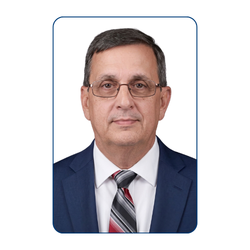
COO
MedEx Medical Transport
Candidate Statement
I have dedicated more than 40 years to emergency medical services, beginning as a junior rescue squad member in 1983 and continuing through volunteer service, field operations, executive leadership, billing and reimbursement, and EMS administration. This experience has allowed me to see our industry from multiple perspectives—from serving patients and communities directly to managing the operational and financial challenges facing ambulance providers.
Throughout my career, I have remained committed to strengthening EMS organizations and supporting the professionals who make them successful. I currently serve as Chief Operating Officer of MedEx Medical Transport, North Carolina’s largest private provider. I believe my combination of operational, administrative, reimbursement, and leadership experience would allow me to bring a practical provider perspective to the AAA Board.
If selected, I would advocate for policies that strengthen the long-term sustainability of ambulance services, improve reimbursement, support workforce recruitment and retention, and enhance safety for EMS professionals and patients. I would also work to ensure that AAA continues to be a strong and effective national voice for ambulance providers of all sizes.
History of Career in EMS
My EMS career began in 1983 as a junior member of the Perquimans County Rescue Squad. I became an EMT-B in 1986 and began volunteering with Wilson Rescue Squad in 1987, where I continue to serve today. During my time with Wilson Rescue, I served two years as Assistant Chief and two years as Chief.
Professionally, I served with Wilson County EMS from 1989 to 1993 and with Johnston Ambulance Service (JAS) from 1990 to 2012, including serving as COO from 2000 through 2012. I also served as Vice President of Electronic Billing Solutions from 2008 to 2013 and worked with Eastern Shores Acquisitions/FirstMed EMS from 2012 to 2013. In 2013, I joined MedEx Medical Transport, where I continue to serve in executive leadership.
Top 3 Issues in Emergency Healthcare
- Reimbursement: EMS providers continue to face reimbursement structures that often fail to reflect the actual cost of maintaining readiness and delivering high-quality ambulance services. Sustainable reimbursement is essential to maintaining adequate staffing, equipment, training, and clinical capabilities.
-
Workforce Recruitment and Retention: Recruiting and retaining qualified EMS professionals remains one of the industry’s greatest challenges. Providers must compete for a limited workforce while addressing compensation, career development, workload, burnout, and quality-of-life concerns.
-
Safety: EMS professionals operate in unpredictable environments and face significant risks involving vehicle operations, lifting and moving patients, workplace violence, fatigue, and occupational exposure. Improving both employee and patient safety must remain an industry-wide priority.
Top 3 Priorities for AAA
- Provider Advocacy: AAA should continue strengthening its role as the national voice of ambulance providers and ensure that the operational and financial realities of delivering EMS are represented before policymakers, regulators, payers, and other stakeholders.
-
Legislative and Regulatory Advocacy: AAA should maintain a strong and coordinated lobbying presence at the federal level while supporting state-level advocacy efforts. The association should proactively influence legislation and regulation rather than simply responding after policies have been developed.
- Reimbursement: Achieving sustainable reimbursement should remain a central AAA priority. Ambulance providers must be appropriately reimbursed for both the services they provide and the substantial readiness costs required to maintain a reliable EMS system. AAA should continue advocating with Congress, CMS, and other payers for reimbursement models that recognize the true cost and value of ambulance services.
Region III Director—3 Candidates
Tony Anteau

Regional President
Priority Ambulance
Candidate Statement
I am honored to seek the opportunity to serve as the AAA Region III Director. Throughout more than four decades in EMS, I have led public, private, hospital-based, ground and air medical organizations, gaining a broad understanding of the opportunities and challenges facing providers and the communities that depend on us.
My leadership approach is grounded in listening, collaboration and action. Sustainable EMS systems are built through trusted partnerships among ambulance providers, fire departments, hospitals, healthcare systems, government leaders, payers, regulators and frontline professionals. I have spent my career bringing stakeholders together, finding common ground and advancing practical solutions that strengthen operations, support clinicians and improve patient care.
As Region III Director, I would bring an experienced operator’s perspective and a strong commitment to representing the diverse needs of our members. I will work alongside AAA leadership and members to support a resilient workforce, sustainable reimbursement and greater recognition of EMS as an essential component of the healthcare continuum.
Above all, I remain committed to the communities we serve and to ensuring that EMS remains strong, innovative and sustainable for generations to come. It would be a privilege to collaborate with colleagues across Region III and the nation to help shape that future together.
History of Career in EMS
Tony Anteau has served as a Regional President since 2022, bringing over 40 years of emergency medical services experience. After joining as vice president of Priority Ambulance’s Indiana operation in 2017, he expanded Seals Ambulance through new hospital partnerships and managed 9-1-1 contracts for Greenwood, Franklin, and Tipton County.
Named the 2021 State EMS Officer of the Year by the Indiana Fire Chiefs Association, Anteau is an active member of the Indiana State EMS Association. He leads a coalition of Indiana’s largest ambulance providers advocating for improved insurance reimbursement rates and patient billing protections.
His extensive leadership background includes roles as vice president of operations for Air Medical Group Holdings, division general manager for Rural/Metro, and service on the Georgia Region III EMS Council. Anteau was appointed by the Governor as Chairman of the Ohio Ambulance Licensing Board and has served as Chief for multiple fire and EMS departments.
Anteau’s experience extends to hospital-based ambulance services and air medical programs. He has also served in multiple leadership capacities during national disaster responses as a FEMA subcontractor.
Top 3 Issues in Emergency Healthcare
- Achieving an equitable, sustainable reimbursement model. Reimbursement must reflect the true cost of maintaining a ready, reliable ambulance system. When it does not, communities face reduced access, constrained resources and threats to long-term service stability. As Region III Director, I would work with AAA to advance permanent Medicare relief and meaningful payment reform that recognizes both operational readiness and the clinical value EMS provides.
-
Strengthening EMS recruitment and retention. Workforce shortages threaten response capacity, employee wellbeing and dependable coverage in communities of every size. EMS needs a coordinated strategy that strengthens education pipelines, supports career development and removes barriers to entering and remaining in the profession. I would bring an operator’s perspective to AAA’s workforce advocacy and help advance solutions that are practical, scalable and responsive to the needs of Region III.
- Recognizing EMS as an essential part of the healthcare continuum. EMS is a critical point of access to care, delivering assessment, treatment and clinical decision-making before a patient reaches the hospital. Greater recognition of that role can improve outcomes, strengthen care coordination and support more effective use of healthcare resources. Through AAA, I would advocate for policies, quality measures and payment models that recognize EMS for the care and value it delivers, not simply the transportation it provides.
Top 3 Priorities for AAA
- Build lasting support for Medicare ambulance services. AAA has an important opportunity to build on recent progress and bring members together around permanent, predictable Medicare relief. By sharing credible data, community experiences and a unified message, we can help policymakers understand what providers need to maintain ambulance readiness and protect access to care in urban, rural and super-rural communities. I would be proud to listen to members, strengthen our collective voice and work alongside AAA leaders to advance a sustainable solution.
-
Strengthen the EMS workforce together. Recruitment and retention challenges affect every provider and the communities that depend on us. AAA can continue serving as a national convener by helping members share successful approaches, expand education and training pathways, support career development and pursue resources that strengthen the profession. I would collaborate closely with members across Region III and beyond to advance practical, scalable solutions that reflect the diverse needs of our workforce and communities.
-
Shape the future of ambulance payment reform. Meaningful reform will require providers to work together around a shared vision that recognizes the cost of readiness, the clinical value of EMS and the continued evolution of patient care. AAA is well positioned to unite members, elevate diverse perspectives and translate strong data into effective advocacy. As Region III Director, I would help foster that collaboration and support reforms that strengthen providers, improve patient outcomes and advance EMS as an essential part of the healthcare continuum.
Brian Gerth

Regional Director
Global Medical Response
Candidate Statement
I am honored to seek a position on the American Ambulance Association Board of Directors. Throughout my EMS leadership career, I have witnessed firsthand both the critical role ambulance services play in our nation’s healthcare system and the significant challenges facing our profession.
If elected, I will focus on three key priorities. First, we must continue advocating for sustainable reimbursement models that accurately reflect the true cost of EMS readiness, response, and patient care. Long-term financial stability is essential to ensuring communities have reliable access to emergency medical services.
Second, workforce development must remain at the forefront of our efforts. EMS agencies across the country continue to face recruitment and retention challenges that threaten system sustainability. We must invest in attracting the next generation of EMS professionals while supporting the growth, wellness, and development of our current workforce.
Third, we must continue advancing EMS as an essential component of healthcare delivery. Through regulatory modernization, innovative care models, and strategic advocacy, we can better position ambulance services to meet the evolving needs of patients and healthcare partners.
The AAA has long been a strong voice for our industry. I would be honored to contribute my operational experience, leadership perspective, and commitment to advancing the future of EMS on behalf of our members, workforce, and communities.
History of Career in EMS
I began my career in EMS as an EMT in St. Louis working with Abbott Ambulance in 2002. I went on to get my Paramedic license in 2006. During this time, I was on the board of Long-Term Care Educators Association, Breakthrough Coalition, and a voting member St. Louis Regional EMS Advisory Committee, (a subcommittee of the Missouri State Advisory Council). In 2015 I took on the responsibilities as Operations manager for our Illinois locations. At that time, I was nominated to the Board of the Illinois State Ambulance Association and still continue to work to improve conditions for ambulance providers and our healthcare professionals. In 2019 I earned my Bachelor of Science -Paramedic Degree. In 2020 I took on the role of Regional Director of Operations with GMR covering several states. In 2025 I completed my Master’s Degree in Healthcare Administration.
Top 3 Issues in Emergency Healthcare
- Permanent Medicare Reimbursement Reform to meet current and future provider/supplier’s needs.
-
Workforce Sustainability: Recruitment, retention, and leadership development remain critical threats to the long-term viability of the EMS workforce.
-
Regulatory and System Transformation: EMS must evolve within a regulatory environment that supports innovation, and sustainable healthcare delivery models.
Top 3 Priorities for AAA
- Secure sustainable reimbursement models that accurately fund EMS readiness and patient care.
- Build and sustain a strong workforce by investing in recruitment, retention, development, and industry awareness.
- Position EMS as an integrated healthcare provider through advocacy, public education, and regulatory modernization.
Kyle Wolber

Director of Logistics
Superior Air-Ground Ambulance Service Inc.
Candidate Statement
I am running for a position on the Board of Directors for the American Ambulance Association to bring a fresh, youthful perspective to our industry. I am a critical thinker who approaches challenges with innovative solutions. My goal is to elevate this industry from “just a job” to a career where both women and men can grow and reach their full potential. Working in this field is an honor, and we should not take our responsibilities lightly. Throughout my career, I have experienced significant growth, and I want to support other young EMS professionals in achieving their potential as well, fostering a sense of shared purpose and advancement.
History of Career in EMS
I began my career as a paid, on-call EMT with the Franklin Grove Fire Protection District before enlisting in the U.S. Army. After eight years of military service, I joined Superior Ambulance Service as a part-time EMT. I quickly advanced to a management position and became a full-time employee. Most recently, I was appointed as a Fire Commissioner for the Winfield Fire Protection District, where I oversee all personnel matters for the paramedics and firefighters. Additionally, I serve on the Board of Directors for the DuPage County Emergency Telephone System Board (ETSB) and the Office of Emergency Preparedness.
Top 3 Issues in Emergency Healthcare
- Reimbursement: Currently, 80% of our funding comes from the government, which operates under a capped rate that falls short of our actual operating costs. Our primary goal is to stabilize our existing resources so organizations can continue to function effectively.
- Identity Issues: There is a lack of recognition of this sector as a legitimate career-oriented field.
- Payment Reform: We aim to establish a new payment system and attract new capital to the industry to ensure long-term stability and sustainability.
Top 3 Priorities for AAA
- Advocate for the industry
- Unite the industry
-
Educate the industry
Region IV Director—4 Candidates
Sonny Geary

Vice President
Global Medical Response
Candidate Statement
For more than 38 years, I have been privileged to serve the EMS profession as a paramedic, field leader, executive, and volunteer advocate. Today, as Vice President of Operations for Global Medical Response, I provide oversight for emergency medical services operations across Texas, Oklahoma, and eastern New Mexico, while working closely with public officials, healthcare partners, and EMS leaders to strengthen the systems that serve our communities. My EMS leadership background and current operational responsibilities are documented in internal biographical materials and professional records.
My commitment to organized EMS extends beyond my professional role. I serve on the Texas Ambulance Association Board of Directors and currently serve in leadership positions within the American Ambulance Association, including Co-Chair of the Bylaws Committee, where I have worked with fellow members to support governance modernization, broader representation, and alignment with the Association’s strategic priorities.
If elected as Region IV Director, I will work to ensure that all provider types and sizes have a voice in AAA leadership discussions. I believe the strength of our Association comes from balancing diverse perspectives while staying focused on the issues that impact patients, providers, and the future of EMS. My goal is to be an accessible and engaged representative who listens first, communicates openly, and advocates for policies and initiatives that strengthen our profession and the communities we serve.
I would be honored to earn your support and serve Region IV on the AAA Board of Directors.
History of Career in EMS
I began my EMS career more than 38 years ago as an EMT and paramedic, serving on the front lines of fire based, private service EMS, and municipal 3rd party EMS before progressing through a series of leadership roles including Field Supervisor, Operations Supervisor, Operations Manager, Director of Operations, General Manager, Regional Director, and Vice President of Operations. Throughout my career, I have worked in high-performance 911 EMS systems, non-emergency transportation services, and air medical operations.
My experience includes leadership positions with EMSA in Oklahoma, Sunstar Paramedics in Florida, and multiple Texas EMS systems. As General Manager for American Medical Response and EMSA in Oklahoma City and Tulsa, I led one of the nation’s most respected public utility model EMS systems, overseeing emergency and non-emergency transport operations while helping secure long-term contract extensions through strong operational and clinical performance.
Since 2019, I have served as Vice President of Operations for Global Medical Response, providing executive leadership for ground and air EMS operations across Texas, Oklahoma, and eastern New Mexico. In addition to my operational responsibilities, I have remained active in EMS advocacy and professional organizations, including leadership roles with the Texas Ambulance Association and the American Ambulance Association.
This combination of frontline experience, executive leadership, system development, and industry engagement has provided me with a broad perspective on the challenges and opportunities facing EMS providers of all sizes.
Top 3 Issues in Emergency Healthcare
- Sustainable Reimbursement and Funding
-
Workforce Recruitment, Retention, and Wellness
- EMS Integration Within the Healthcare System
Top 3 Priorities for AAA
- Achieving Sustainable Reimbursement and Financial Stability for EMS
- Strengthening and Supporting the EMS Workforce
-
Delivering Member Value Through Inclusive Representation and Effective Governance
Angela McLain-Johnson

VP of Patient Revenue Integrity
Pafford Medical Services
Candidate Statement
I have spent more than 25 years in healthcare, with over 16 years focused on the ambulance industry. My background includes revenue cycle management, compliance, reimbursement, operations, payer relations, and regulatory and legislative issues affecting ambulance providers.
I have had the privilege of serving as a Region 4 Director for the American Ambulance Association and have been actively involved with AAA for many years. During that time, I have chaired the Medicare Regulatory Committee, served as Vice Chair of the Data Task Force, and participated as faculty for the Association’s national cost data collection education efforts.
One of the things I value most about my involvement with AAA is the opportunity to advocate for our industry. I have participated in discussions with CMS and federal program integrity officials and worked alongside ambulance leaders on Medicare and Medicaid reimbursement, regulatory policy, documentation, compliance, and other issues that directly impact ambulance services.
I have also served for many years on the Oklahoma Ambulance Association Board of Directors, including serving as President.
I am seeking another term representing Region 4 because I want to continue being an active voice for our members and our industry. I believe my experience, relationships, and understanding of the regulatory and reimbursement challenges facing ambulance providers allow me to bring a valuable perspective to the AAA Board. I would appreciate the opportunity to continue serving and representing Region 4.
History of Career in EMS
I have more than 16 years of experience in the EMS industry, with leadership responsibilities spanning revenue cycle, compliance, reimbursement, payer relations, regulatory affairs, and operations. I spent more than 11 years with EMSA, where I served as Vice President of Patient Billing and later as Chief Compliance and Revenue Officer. In these roles, I had responsibility for patient billing, compliance, reimbursement, managed care contracting, documentation improvement, and regulatory matters.
I later joined Pafford Medical Services, where I served in executive leadership overseeing revenue cycle, compliance, reimbursement, payer contracting, and regulatory initiatives across a large multi-state ambulance organization.
Throughout my EMS career, I have worked closely with ambulance providers, payers, state associations, CMS, and industry leaders on reimbursement and regulatory issues affecting ambulance services. My experience has given me a broad understanding of the operational and financial challenges facing EMS organizations, from small and rural providers to large multi-state systems.
Top 3 Issues in Emergency Healthcare
- Sustainable Reimbursement and Funding – Reimbursement continues to fall behind the actual cost of providing ambulance services. Medicare, Medicaid, and commercial payer reimbursement must better reflect the increasing costs of staffing, equipment, vehicles, technology, and regulatory compliance. Long-term financial sustainability is critical to maintaining access to emergency medical services, particularly in rural and underserved communities.
- Workforce Recruitment and Retention – EMS continues to face significant challenges recruiting and retaining qualified personnel. We must continue working toward solutions that make EMS a sustainable career, including competitive compensation, career development, education, and initiatives that address burnout and workforce shortages.
- Modernizing the EMS Reimbursement Model – The traditional reimbursement model remains centered on transporting a patient to a hospital, even as the role of EMS continues to evolve. We need payment models that appropriately reimburse treatment in place, alternative destinations, community paramedicine, and other innovative models of care. EMS should be recognized and reimbursed as an essential part of the healthcare system, not simply as a transportation service.
Top 3 Priorities for AAA
I believe the AAA’s top three priorities should be:
- Strong Federal Advocacy – AAA must continue to be the national voice for ambulance providers on Capitol Hill and with CMS. Protecting and improving reimbursement, reducing unnecessary regulatory burdens, and ensuring EMS has a voice when healthcare policy is developed should remain a top priority.
-
Financial Sustainability and Reimbursement Reform – AAA should continue leading efforts to create sustainable reimbursement for ambulance services, including permanent solutions for Medicare reimbursement and payment models that recognize treatment in place, alternative destinations, and the evolving role of EMS within the healthcare system.
-
Member Engagement and Resources – AAA must remain connected to its members and understand the challenges they face every day. Providing timely regulatory guidance, education, data, compliance resources, and opportunities for members to become involved strengthens both individual ambulance organizations and the industry as a whole.
Ultimately, I believe AAA’s role is to make sure ambulance providers have a strong, unified voice and the resources necessary to continue serving their communities.
Andrew Schultz

Chief Operating Officer/Principal
Superior Mobile Health
Candidate Statement
I began my EMS career in 1985 as a firefighter/paramedic in Illinois. During my 20 years in the fire service, I advanced through the ranks and ultimately retired as Deputy Chief.
After leaving the fire service, I founded ATS Medical Services. What began with one ambulance and five employees grew into an eight-state operation. Throughout my 12 years as the owner of ATS, I remained actively involved with the American Ambulance Association (AAA). In 2016, I sold the company and retired to Texas—but retirement was short-lived, as EMS continued to call me back.
Since 2019, I have served as Chief Operating Officer and Principal of Superior Mobile Health. I have also continued my involvement with AAA, including contributing to its mentoring program over the past two years whenever my schedule has allowed.
After more than four decades in EMS, I feel a strong responsibility to help develop and support the next generation of leaders. By sharing my experience, successes, and lessons learned, I hope to help ensure that the passion, dedication, and commitment that define our profession remain strong for years to come.
History of Career in EMS
Started my EMS career in 1985 as Firefighter Paramedic, retired 2005. Started ATS Medical Services in 2005 as a private Ambulance Provider in Rockford Illinois. Growing ATS to operating in 8 States. Sold ATS. Joined Superior Mobile Health in 2019 as Chief Operating Officer/Principal. I have maintained my license for 40+ years.
Top 3 Issues in Emergency Healthcare
- Human Capital
- Mental Health
- Increased cost of Readiness outpacing the reimbursements.
Top 3 Priorities for AAA
- Strengthen the EMS workforce pipeline
- Permanent Medicare Ambulance payment reform
-
Broader Reimbursement and insurance reform.
Randy Strohmeyer

Executive Director
Lake County Ambulance Service
Candidate Statement
As Executive Director of Lake County Ambulance Service, I lead a small nonprofit covering 1,500 square miles along Minnesota’s North Shore of Lake Superior. If you run a rural service, you already know how few voices we have at the national table.
Two things drive my candidacy. First, rural EMS builds solutions when partners come together. We launched a fully funded high school EMT program with the Lake Superior School District, state agencies, and private funders. A workforce pipeline built on community and cooperation.
Second, the ambulance fee schedule has never been built on what service costs, and rural services feel it first. Rural America is aging in both directions: more patients who need us, fewer neighbors to staff the ambulance. That means a Medicare-heavy payer mix and revenue falling short of costs. The fix is a cost-based fee schedule, plus state and local support for mobile integrated health and alternative response programs.
If elected, I would bring the small-service perspective to the table without losing sight of what every operator is up against. Workforce limits in small-town America boil down to one question our neighbors ask: Will an ambulance show up? Legislators need to hear it from the services living it.
25 years ago, I started as a rural volunteer firefighter and EMT in Alaska to take care of people. Now I get to take care of the people who take care of everyone else. Small rural services deserve a voice. I would be grateful for your vote.
History of Career in EMS
While completing my bachelor’s degree in Alaska, I joined the Girdwood Volunteer Fire Department to gain a deeper understanding of my father’s years as a volunteer firefighter. During my time with the department, I completed training as a Firefighter I, EMT I and II, and Incident Safety Officer.
I moved to Minnesota to attend paramedic school, initially intending to pursue a career as a firefighter/paramedic. However, during paramedic school, I discovered a passion for the unique combination of chaos, connection, and compassionate care that takes place in the back of an ambulance.
Duluth brought me back to the outdoors, and I spent 11 years there as a paramedic with Gold Cross Ambulance Service, now Mayo Clinic Ambulance Service. During my time at Gold Cross, I became involved in field training, EMS education, emergency preparedness and safety.
With a desire to return to rural healthcare, I joined Lake County Ambulance Service. Over nine years as a paramedic, including four years as the medical compliance specialist, I developed a broader understanding of rural EMS and the clinical, operational, and organizational skills needed to support it. In 2022, I transitioned into leadership as the organization’s Executive Director.
Alongside that work, I serve on the Minnesota Ambulance Association’s legislative and rural sustainability committees, where the same reimbursement and workforce questions play out at the state level.
Twenty-five years in, the thread has held: I get to take care of the people who take care of everyone else.
Top 3 Issues in Emergency Healthcare
- Rural EMS workforce sustainability
Rural services cannot hire their way out of a demographic problem. Our communities are aging while the population young enough to staff ambulances shrinks, and the volunteer model that carried small-town EMS for 50 years is gone. Sustainability means building the workforce locally through high school programs, internships, and career paths that allow people to stay in the communities they came from. -
Mobile integrated health and community paramedicine
These programs let rural services meet needs that transport-based EMS was never designed to address, from post-discharge follow-up to preventing calls that did not need an ambulance. The clinical case is settled. The reimbursement pathway is not, and until it is, the services doing this work are subsidizing it themselves.
-
Reimbursement protections, along with patient protections
Reimbursement policy and patient protection are usually treated as opposing interests. They are not. When a service closes because reimbursement did not cover its costs, the patient protection that matters most disappears with it. Ground ambulance needs a payment structure that covers readiness costs, accounts for rural cost realities, and holds the line on balance billing and network adequacy.
Top 3 Priorities for AAA
- Treatment-in-place reimbursement
Medicare still pays us only when we transport someone. Our crews assess, stabilize, and treat on scene every day, and none of that counts. In rural communities where the nearest hospital is an hour away, treating in place is often the right course of care. It should be paid for. -
Medicare ground ambulance payments
The add-ons expire at the end of 2027, and temporary extensions are not a foundation for capital planning. Ground ambulance needs a fee schedule built on what the service actually costs, not one that assumes volume we do not have.
- Balance billing and patient protections
Patients should not get a surprise bill for calling 911. But a billing cap without a payment floor just shifts the loss onto the service, and a service that closes protects no one. These two have to move together, the way the federal advisory committee recommended.
Region V Director—2 Candidates
James Pierson
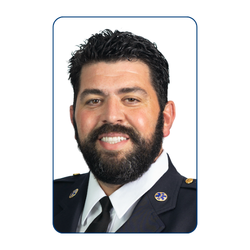
President/ COO
Medic Ambulance
Candidate Statement
I’m seeking re-election as Region V Board Member because the challenges facing our industry reimbursement, workforce, offload delays, and rapid technological change, demand experienced, engaged leadership that shows up.
For 25 years I’ve lived this industry from the restocking ambulances, working dispatch, my 20+ years as a Paramedic and my time in the “boardroom”. As President and COO of Medic Ambulance, I lead one of California’s largest family-owned exclusive 911 providers, with 650 employees serving Solano and Sonoma counties. As a past President and current board member of the California Ambulance Association and a current member of the California EMS Commission, I’ve fought for competitive-procurement integrity, APOT accountability, and regulatory frameworks that protect high-performing systems. Region V is the largest and arguably most complex region in the country, and I bring both the state-level relationships and the operational credibility to represent it effectively.
During my service on the AAA board, I’ve been an active contributor, not a seat-filler. I’ve supported the 535 Plan by mapping congressional outreach opportunities across Region V states, engaged directly on federal reimbursement policy, and worked in our local region on emerging issues like AI integration and autonomous vehicles into the field of vision before they arrive at our doorstep.
I believe the AAA is at its best when board members bring real operational experience, do the unglamorous work of advocacy, and think ahead of the curve. That’s what I’ve done, and that’s what I’ll continue to do. I’d be honored to earn your support for another term representing Region V.
History of Career in EMS
I began my EMS career in 2001 at Medic Ambulance Service in Vallejo, California, starting in dispatch and system support. Over the past 25 years, I’ve worked my way through virtually every side of the operation — communications, field operations, administration, and executive leadership and today serve as President and Chief Operating Officer. Under my leadership, Medic has grown into a CAAS-accredited, exclusive 911/ALS provider serving Solano and Sonoma counties with approximately 650 employees, 200 vehicles, covering 9 counties from the Pacific Coast to the Nevada Border. Beyond Medic, I’ve dedicated much of my career to advocacy and industry service: I’m a past President of the California Ambulance Association, currently serve on the California EMS Commission, and sit on the boards of the CAA and the AAA, where I’ve been active in federal advocacy efforts. I have held CACO, CAPO, and FACPE certifications, was named the 2018 California EMT-Paramedic of the Year, and was recognized in the AAA’s 40 Under 40. I’m also currently pursuing my Masters in Healthcare with Western Governors University to deepen my Healthcare leadership knowledge and gain a better perspective of whole healthcare systems.
Top 3 Issues in Emergency Healthcare
-
Reimbursement that doesn’t reflect the cost of readiness. Medicare, Medicaid, and increasingly commercial payers reimburse below the true cost of providing 24/7 emergency response. Cost data collection must translate into actual rate reform, and balance billing protections cannot become a vehicle for payers to underpay.
-
Workforce recruitment and retention. The EMT and paramedic pipeline remains fragile. Wage pressure, burnout, and competition from fire service and hospital employers demand that we invest in career pathways, mental health support, and labor-management structures that make private EMS a sustainable career.
- Ambulance patient offload delays and system integrity. Hospital wall times remove ambulances from service and threaten response reliability. At the same time, erosion of exclusive operating areas and competitive-procurement integrity threatens the economic foundation that makes 911 systems viable. These are two sides of the same issue: protecting system capacity.
Top 3 Priorities for AAA
- Federal reimbursement reform — making Medicare ambulance add-ons permanent, advancing cost-collection-driven rate rebasing, and defending fair treatment under the No Surprises Act.
-
Aggressive, coordinated congressional advocacy — fully executing the 535 Plan so every member of Congress has a relationship with an ambulance service in their district, with particular attention to open seats where we can build relationships early.
-
Preparing the industry for what’s next — workforce sustainability, and giving members practical leadership on emerging technology, from AI-driven operational tools to autonomous vehicle integration, so mobile healthcare shapes these changes rather than reacts to them.
Jeremey Shumaker

Associate Vice President
Global Medical Response
Candidate Statement
I am an EMS executive with more than two decades of ambulance-industry leadership and a career rooted in service as a U.S. Army Combat Medic. Today, I serve as Associate Vice President of Operations for Global Medical Response’s Pacific Region, supporting operations across California, Oregon, Washington, Alaska, and Hawaii.
Throughout my career, I have led complex 911 ambulance systems, managed public-sector contracts and regulatory relationships, developed workforce strategies, and worked alongside fire departments, healthcare systems, elected officials, labor partners, and community organizations. I am particularly passionate about building a sustainable EMS workforce. My work has included advocating for legislative reform for EMS and healthcare at the state and federal level, expanding EMT and paramedic career pathways, developing registered apprenticeship programs, and advocating for policies that strengthen recruitment, education, retention, and career mobility.
I am seeking election to the American Ambulance Association Board because I believe the next several years will be pivotal for our profession. EMS must achieve sustainable reimbursement, build a stronger workforce pipeline, and continue evolving from a transportation benefit into a fully recognized and integrated component of the healthcare system. I would bring to the Board an operator’s perspective, a collaborative approach to advocacy, and experience translating industry challenges into practical operational and policy solutions.
History of Career in EMS
My EMS career began in the U.S. Army, where I served for eight years and, as a reservist, was activated and deployed to Iraq as a Combat Medic in 2003. I had previously joined American Medical Response in 2002 and after returning from a 2 year long deployment, progressed through increasingly senior operational leadership roles, including Operations Supervisor, Administrative Supervisor, and Operations Manager in San Bernardino County. in 20018 I was promoted to Regional Director of Operations overseeing Ventura and Santa Barbara Counties before accepting the Regional Director role in the Riverside County operations. I currently serve as Associate Vice President of Operations for GMR’s Pacific Region. Throughout my career, I have led complex 911 systems, managed government contracts and regulatory relationships, developed leaders, improved operational performance, and championed workforce-development initiatives including EMT and paramedic education, apprenticeship, and career-pathway programs.
Top 3 Issues in Emergency Healthcare
- Sustainable reimbursement and funding.
The economics of EMS increasingly fail to reflect the actual cost of maintaining a clinically capable, deployment-ready emergency medical system. Medicare and Medicaid reimbursement, commercial payer practices, and the traditional transportation-based payment model do not adequately recognize readiness costs or the clinical value EMS provides. Without meaningful payment reform, our ability to address workforce, technology, equipment, and service-delivery challenges will remain constrained. - Workforce sustainability.
EMS must create a larger, more diverse and more sustainable pipeline of EMTs and paramedics while improving retention and career longevity. This requires moving beyond traditional recruiting strategies and investing in education partnerships, registered apprenticeship, tuition support, military-to-civilian pathways, leadership development, and clearly defined career pathways that allow EMS professionals to build long-term careers in the profession. -
Modernizing EMS’s role in the healthcare system.
EMS remains too frequently viewed and funded primarily as transportation rather than as an essential component of the healthcare delivery system. The future requires greater recognition of EMS as healthcare, better integration with hospitals and other healthcare providers, expanded alternative-care pathways, improved data interoperability, and reimbursement models that allow EMS clinicians to provide the right care in the right setting rather than financially rewarding transportation alone.
Top 3 Priorities for AAA
-
Lead the national effort for sustainable EMS reimbursement and payment reform.
AAA should continue aggressively pursuing permanent Medicare relief while using cost-collection data to advance fundamental modernization of the ambulance fee schedule. The long-term objective should be reimbursement that recognizes the true costs of readiness and clinical care and supports emerging models such as treatment-in-place, alternative destinations, nurse navigation, and mobile integrated healthcare. -
Champion a national EMS workforce strategy.
AAA should lead efforts to expand the EMT and paramedic pipeline through federal workforce investment, registered apprenticeship, educational partnerships, military-to-civilian pathways, and policies that reduce unnecessary barriers to entering and advancing within EMS. At the same time, the Association should help members identify and scale proven strategies for retention, employee development, and career mobility. - Strengthen the industry’s collective voice and advance recognition of EMS as an essential healthcare service.
AAA should continue building coalitions across private, public, fire-based, hospital-based, and nonprofit EMS while strengthening relationships with Congress, federal agencies, state associations, healthcare organizations, and other national stakeholders. A unified profession will be better positioned to influence policy, modernize EMS delivery, and ensure that ambulance services have a meaningful voice in the future of healthcare.